
Introduction to Technology Careers in High Finance
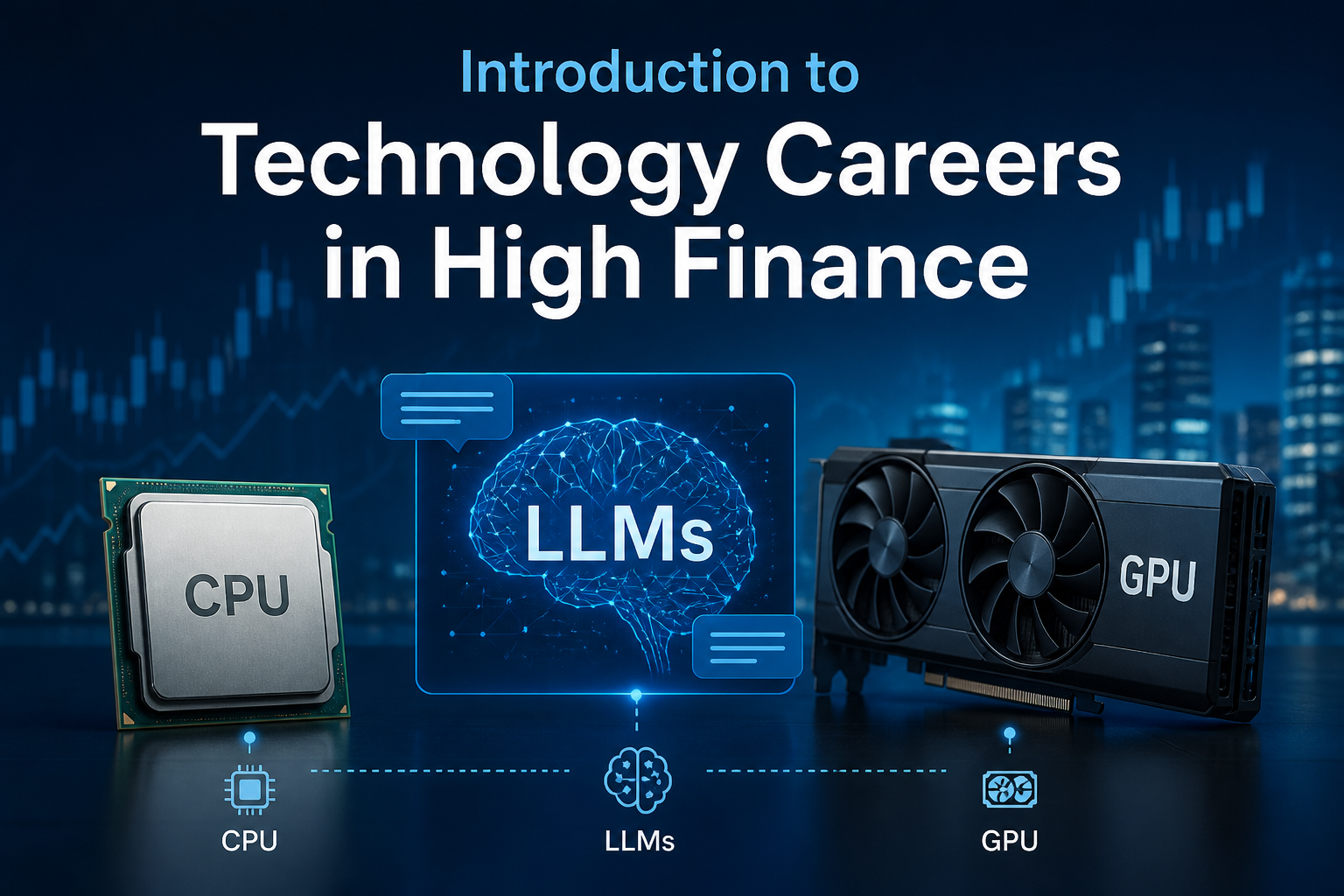
The intersection of technology and high finance represents one of the most dynamic and lucrative career frontiers in the global economy. As financial institutions increasingly rely on sophisticated software systems, data analytics, artificial intelligence, and high-performance computing to gain competitive advantages, demand for professionals who bridge deep technical expertise with financial domain knowledge has skyrocketed.
High finance—encompassing investment banking, hedge funds, proprietary trading firms, asset management, and fintech innovators—has undergone a profound digital transformation. Firms like Goldman Sachs, JPMorgan Chase, Citadel, Jane Street, Two Sigma, and Renaissance Technologies have built world-class engineering organizations rivaling top tech companies.
The Evolution of Tech in Finance
The modern era began with electronic trading in the 1980s–1990s. The 2008 crisis accelerated RegTech, while the 2010s saw the rise of high-frequency trading (HFT). Today, big data, machine learning, cloud computing, and blockchain define the landscape.
- Quant firms integrate PhD researchers with elite engineers
- Hedge funds treat technology as a core moat
- Banks create internal "tech-first" divisions
- Fintech firms blur lines between tech and finance
- Senior: £150,000 – £400,000+ total compensation
- Elite prop trading: £1,000,000+ in strong years
Quantitative Researchers and Developers Develop pricing models, trading strategies, and statistical arbitrage systems.
Required skills:
- Mathematics (statistics, stochastic processes)
- C++, Python
- Low-latency systems
- Numerical optimization
Specializations include:
- Low-latency trading systems (FPGA, kernel bypass)
- Data engineering (real-time pipelines)
- DevOps/platform engineering
- Frontend trading tools
Focus areas:
- Deep learning
- NLP & sentiment analysis
- Fraud detection
- Automated trading systems
- Zero Trust architecture
- DevSecOps
- Regulatory frameworks (GDPR, MiFID II, DORA)
- Kubernetes, AWS, GCP, Azure
- Observability & chaos engineering
- Disaster recovery
- 99.999% uptime systems
Technical Skills:
- Languages: C++, Python, Java, Rust
- Algorithms & data structures
- Distributed systems
- Linux, Git, DevOps
- Probability & statistics
- Linear algebra
- Time series analysis
- Financial instruments & risk (VaR, Greeks)
- Problem-solving under pressure
- Communication with traders & stakeholders
- Continuous learning mindset
- Computer science degrees
- Math/physics PhDs
- Self-taught engineers with strong portfolios
Typical progression:
- Entry-level (0–3 years)
- Mid-level (3–5 years)
- Senior/Lead (5–10 years)
- Leadership (CTO, Head of Engineering)
- Junior: £60k–£90k
- Mid: £120k–£180k
- Senior: £250k+
- Top performers: 7-figure packages
- Bonuses
- Deferred compensation
- Equity
- Profit sharing
Typical activities:
- System optimization and coding
- Model deployment collaboration
- Debugging live trading systems
- Monitoring performance metrics
- High-pressure production environments
- On-call rotations
- Strong collaboration with trading teams
- Rigorous code reviews
- Prop trading: intense but flexible
- Banks: structured but deadline-driven
Challenges:
- Constant upskilling required
- High regulatory pressure
- Imposter syndrome
- Intense competition
- Exceptional compensation
- High intellectual challenge
- Direct real-world impact
- "Code that moves markets"
Key trends:
- AI-native finance
- Quantum computing research
- RegTech expansion
- Cloud & hybrid infrastructure
- Sustainable finance tech
Recommended steps:
- Build strong CS fundamentals
- Learn financial concepts
- Work on personal trading/ML projects
- Participate in Kaggle competitions
- Study resources like "Quantitative Trading"
- Network with industry professionals
- Start in fintech
- Transition from big tech
- Target data or systems roles first
Technology careers in high finance combine intellectual challenge, financial reward, and real-world impact. As markets become increasingly digitized, technologists sit at the center of global capital flows.
From AI-driven trading systems to infrastructure managing trillions in assets, these roles shape the future of finance itself.
The barriers are high—but so are the rewards.





Introduction to Technology Careers in High Finance
The intersection of technology and high finance represents one of the most dynamic and lucrative career frontiers in the global economy. As financial institutions increasingly rely on sophisticated software systems, data analytics, artificial intelligence, and high-performance computing to gain competitive advantages, demand for professionals who bridge deep technical expertise with financial domain knowledge has skyrocketed.
High finance—encompassing investment banking, hedge funds, proprietary trading firms, asset management, and fintech innovators—has undergone a profound digital transformation. Firms like Goldman Sachs, JPMorgan Chase, Citadel, Jane Street, Two Sigma, and Renaissance Technologies have built world-class engineering organizations rivaling top tech companies.
The Evolution of Tech in Finance
The modern era began with electronic trading in the 1980s–1990s. The 2008 crisis accelerated RegTech, while the 2010s saw the rise of high-frequency trading (HFT). Today, big data, machine learning, cloud computing, and blockchain define the landscape.
- Quant firms integrate PhD researchers with elite engineers
- Hedge funds treat technology as a core moat
- Banks create internal "tech-first" divisions
- Fintech firms blur lines between tech and finance
- Senior: £150,000 – £400,000+ total compensation
- Elite prop trading: £1,000,000+ in strong years
Quantitative Researchers and Developers Develop pricing models, trading strategies, and statistical arbitrage systems.
Required skills:
- Mathematics (statistics, stochastic processes)
- C++, Python
- Low-latency systems
- Numerical optimization
Specializations include:
- Low-latency trading systems (FPGA, kernel bypass)
- Data engineering (real-time pipelines)
- DevOps/platform engineering
- Frontend trading tools
Focus areas:
- Deep learning
- NLP & sentiment analysis
- Fraud detection
- Automated trading systems
- Zero Trust architecture
- DevSecOps
- Regulatory frameworks (GDPR, MiFID II, DORA)
- Kubernetes, AWS, GCP, Azure
- Observability & chaos engineering
- Disaster recovery
- 99.999% uptime systems
Technical Skills:
- Languages: C++, Python, Java, Rust
- Algorithms & data structures
- Distributed systems
- Linux, Git, DevOps
- Probability & statistics
- Linear algebra
- Time series analysis
- Financial instruments & risk (VaR, Greeks)
- Problem-solving under pressure
- Communication with traders & stakeholders
- Continuous learning mindset
- Computer science degrees
- Math/physics PhDs
- Self-taught engineers with strong portfolios
Typical progression:
- Entry-level (0–3 years)
- Mid-level (3–5 years)
- Senior/Lead (5–10 years)
- Leadership (CTO, Head of Engineering)
- Junior: £60k–£90k
- Mid: £120k–£180k
- Senior: £250k+
- Top performers: 7-figure packages
- Bonuses
- Deferred compensation
- Equity
- Profit sharing
Typical activities:
- System optimization and coding
- Model deployment collaboration
- Debugging live trading systems
- Monitoring performance metrics
- High-pressure production environments
- On-call rotations
- Strong collaboration with trading teams
- Rigorous code reviews
- Prop trading: intense but flexible
- Banks: structured but deadline-driven
Challenges:
- Constant upskilling required
- High regulatory pressure
- Imposter syndrome
- Intense competition
- Exceptional compensation
- High intellectual challenge
- Direct real-world impact
- "Code that moves markets"
Key trends:
- AI-native finance
- Quantum computing research
- RegTech expansion
- Cloud & hybrid infrastructure
- Sustainable finance tech
Recommended steps:
- Build strong CS fundamentals
- Learn financial concepts
- Work on personal trading/ML projects
- Participate in Kaggle competitions
- Study resources like "Quantitative Trading"
- Network with industry professionals
- Start in fintech
- Transition from big tech
- Target data or systems roles first
Technology careers in high finance combine intellectual challenge, financial reward, and real-world impact. As markets become increasingly digitized, technologists sit at the center of global capital flows.
From AI-driven trading systems to infrastructure managing trillions in assets, these roles shape the future of finance itself.
The barriers are high—but so are the rewards.