
Intro to Options, Futures, and Other Derivatives
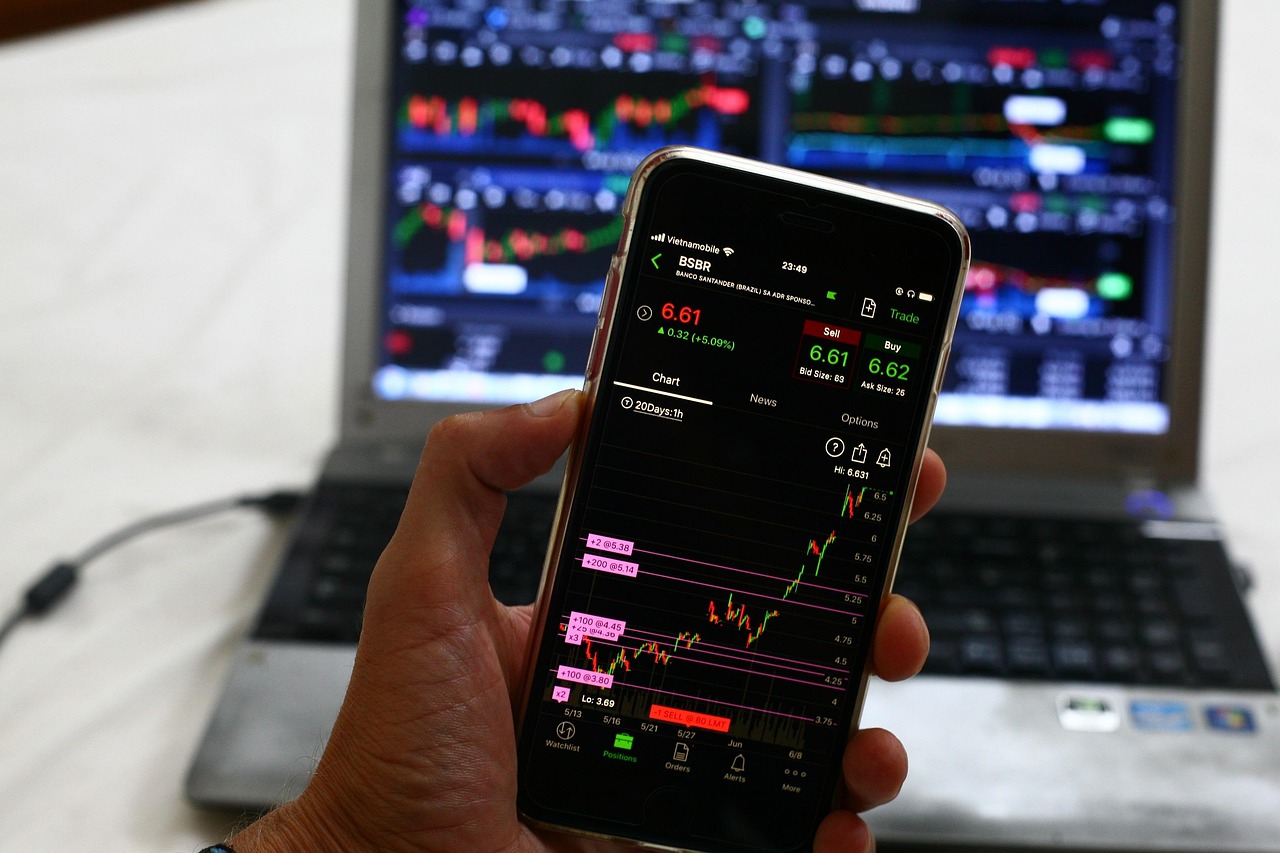
If you are preparing for a career on a trading floor or in a markets-facing role, you will hear the word derivatives constantly. The idea sounds intimidating because the math can get deep—but the economic intuition is something you can grasp in an afternoon. This article is a plain-English map of the main product classes, how they connect, and how practitioners actually use them.
What is a derivative?
A derivative is a financial contract whose value is derived from something else. That “something else” is usually a price: an equity index, a bond yield, a currency pair, a commodity, or a credit spread. The derivative does not (usually) give you a claim on the company in the way a share does. Instead, it is an agreement about future cash flows tied to a reference.
People trade derivatives for three big reasons. Hedging means reducing an exposure you already have—locking in a cost of inputs, a borrowing rate, or the value of a foreign asset. Speculation means taking a view on the direction of a market, often with leverage (a small amount of money controlling a much larger notional). Arbitrage and relative value means exploiting mispricings between related instruments—classic desk work, especially when funding and collateral are taken into account.
Most derivatives are about transfers of risk (who bears what) and transfers of cash flows in time (when you get paid, and in what form).
Forwards and futures: fixing a future price
The simplest place to start is a forward contract: a private agreement to buy or sell an asset on a future date at a price agreed today. If you are a business that will need oil in six months, a forward can lock in your purchase price. If you are an investor, you can use a forward to gain exposure to an index without buying every stock today.
A future is closely related, but it is standardized and exchange-traded, with daily margining. That means the exchange and clearinghouse stand between the parties, and gains and losses are settled each day, which reduces counterparty risk and makes the price transparent. The classic examples are equity index futures, Treasury futures, and commodity futures. For students, the key image is: you are not buying “a future” in the colloquial sense; you are entering a binding economic position on the path of a reference price, often with a relatively small initial margin relative to the notional size of the bet.
Futures and forwards are often the first place people learn the phrase basis risk—the risk that the hedge instrument does not move perfectly with the thing you are trying to protect. In interviews, being able to explain why you might hedge S&P 500 risk with a futures contract on the index, and what can still go wrong, already separates thoughtful candidates from people reciting definitions.
Options: asymmetry in payoffs
An option is the right, but not the obligation, to buy or sell an asset at a set price (the strike) before or at expiration. A call is the right to buy; a put is the right to sell. The price you pay for that right is the option premium. That asymmetry is the heart of the product: you can have limited loss (the premium) while keeping asymmetric upside (in a long call) or asymmetric protection (in a long put on a stock you own).
This immediately explains why options show up in so many “structured” conversations. Banks combine options, forwards, and sometimes bonds to build payoff profiles that look like a view plus financing: for example, collars (buy a put, sell a call) to cap the cost of insurance; straddles and strangles to express a view on volatility more than direction.
Two words will follow you for years: delta and vega (and the rest of the “Greeks”). In plain terms: delta is sensitivity to a small move in the underlying. Vega is sensitivity to a change in implied volatility—essentially the market’s price of uncertainty, baked into the option. On many desks, you are not only trading “the stock went up” but “volatility is too cheap or too rich,” and those are different conversations.
A practical note for job seekers: in sales, you are often helping a client express a view or hedge with clean language and documentation. In trading, you are frequently managing a book where direction, time decay (theta), and volatility interact in nonlinear ways, especially for short-dated or exotic structures.
Swaps: exchanging cash flows
A swap is an agreement to exchange one stream of cash flows for another, on a notional amount. The archetype is an interest rate swap: you might pay a fixed rate and receive a floating rate, or the reverse, to change the character of your interest expenses or to express a view on the path of short rates. Currency swaps matter for global firms and cross-border funding. CDS (credit default swaps), in simplified terms, are about exchanging premium for protection against a credit event.
For early-career readers, the interview-friendly insight is: swaps are how much of the fixed-income world rewrites cash flows and manages duration and funding without necessarily trading the underlying cash bonds. They can be used for hedging and for taking view, but they can also sit at the center of complex funding and basis discussions—exactly the kind of cross-asset work many macro and rates desks do every day.
“Other” derivatives: why the category is broad
The industry buckets many contracts under the derivatives umbrella, including some exotic options (barrier options, digital payoffs) and structured products (notes with embedded options). The common thread is still the same: the payoff is a function of a reference and often involves modeling assumptions about paths (not just the endpoint), correlation, and sometimes jump risk and illiquidity.
In capital markets, you will also hear about ISDA documentation and CSA (credit support annex) in relationship to how derivatives are legally governed and how collateral is exchanged—boring in school, very real when markets move.
How this shows up in banking and S&T (without the hype)
For students, the useful mental model is: derivatives are tools for re-packaging risk and cash flows so that different participants can hold what they want and shed what they do not, within constraints on capital, margin, and regulation.
If you are recruiting for a macro or rates seat, the storyline often involves futures, forwards, and swaps, plus how central bank policy and curve shape create trade ideas. In equities, index derivatives and options are central, especially around events and earnings. In credits and structured credit, you will see CDS, tranches, and optionality embedded in securitizations. Commodities desks live in futures, forwards, and physical logistics constraints.
A realistic warning: derivatives can be misused, and the word “derivative” still carries a Hollywood stigma. The professional point is not moral—it is about incentives and limits. The same contract can be a careful hedge for a shipper and a highly leveraged bet for a fund, depending on notional, funding, and whether the user understands margin calls and what happens in a gap move.
If you are preparing for technical interviews
You do not need to impress anyone with a catalog of every product. You do want to be able to:
Explain a forward versus a future in one sentence (standardization, clearing, margining). Describe when you would use a call versus owning the underlying (leverage, defined risk, time horizon). Name at least one reason a company hedges (commodity, FX, or rates) and one risk that does not go away. Distinguish hedging a delta (direction) from trading implied vol (insurance price).
Closing thought
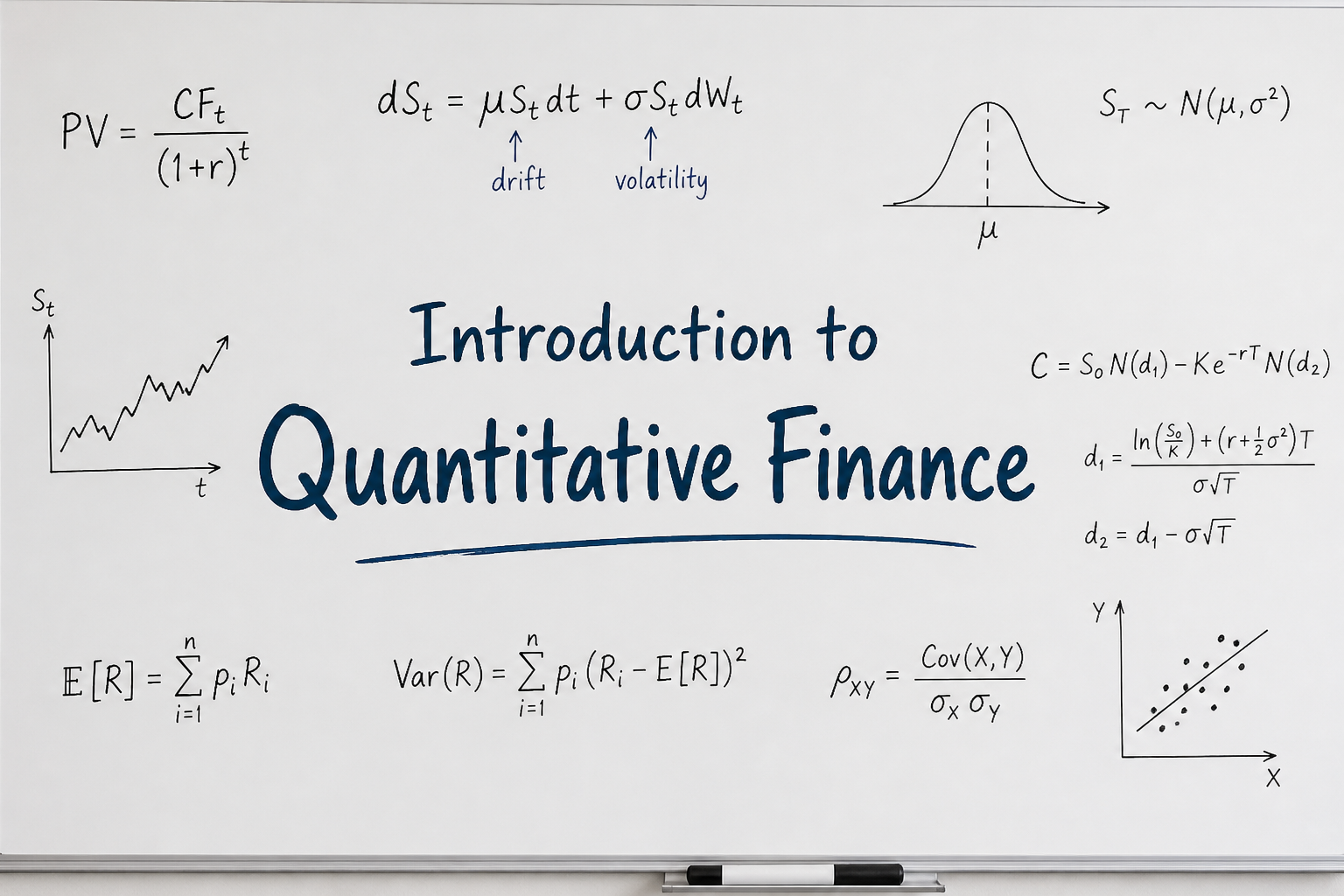
Options, futures, and swaps are not separate planets; they are variations on a theme: who bears market risk, when cash changes hands, and at what price uncertainty is sold. If you can explain that story clearly—and connect it to a simple client or trading motivation—you are already speaking the language of a modern capital markets business. The formulas come later, but the intuition is the ticket to a serious conversation.
Intro to Options, Futures, and Other Derivatives
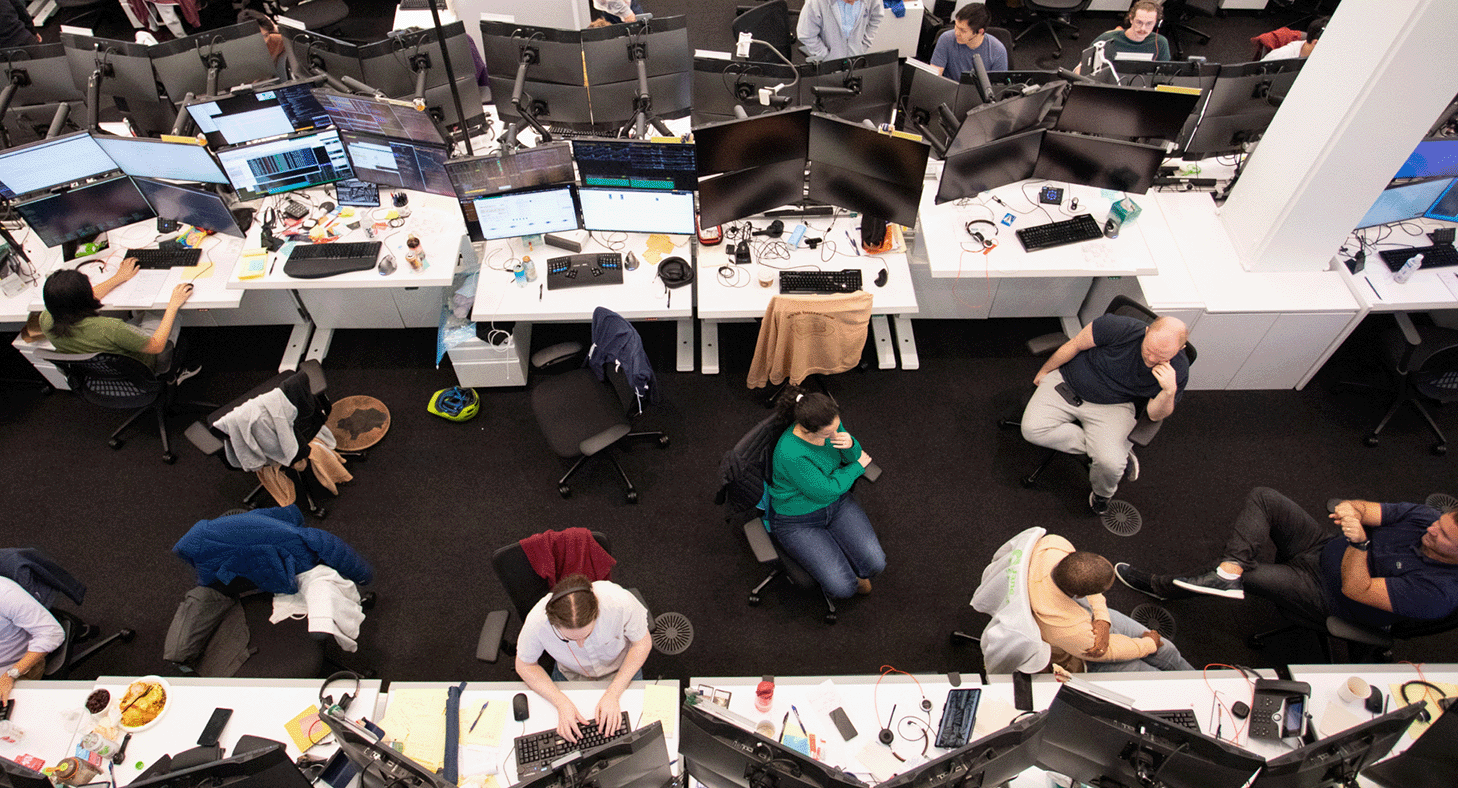
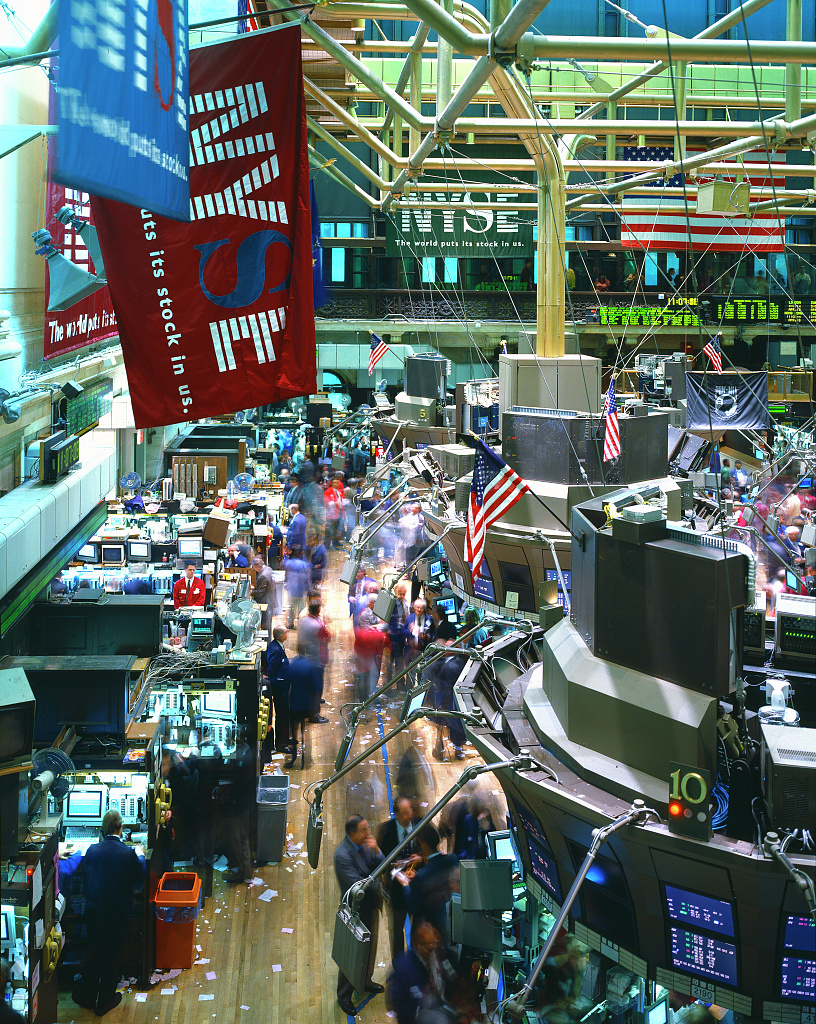
If you are preparing for a career on a trading floor or in a markets-facing role, you will hear the word derivatives constantly. The idea sounds intimidating because the math can get deep—but the economic intuition is something you can grasp in an afternoon. This article is a plain-English map of the main product classes, how they connect, and how practitioners actually use them.
What is a derivative?
A derivative is a financial contract whose value is derived from something else. That “something else” is usually a price: an equity index, a bond yield, a currency pair, a commodity, or a credit spread. The derivative does not (usually) give you a claim on the company in the way a share does. Instead, it is an agreement about future cash flows tied to a reference.
People trade derivatives for three big reasons. Hedging means reducing an exposure you already have—locking in a cost of inputs, a borrowing rate, or the value of a foreign asset. Speculation means taking a view on the direction of a market, often with leverage (a small amount of money controlling a much larger notional). Arbitrage and relative value means exploiting mispricings between related instruments—classic desk work, especially when funding and collateral are taken into account.
Most derivatives are about transfers of risk (who bears what) and transfers of cash flows in time (when you get paid, and in what form).
Forwards and futures: fixing a future price
The simplest place to start is a forward contract: a private agreement to buy or sell an asset on a future date at a price agreed today. If you are a business that will need oil in six months, a forward can lock in your purchase price. If you are an investor, you can use a forward to gain exposure to an index without buying every stock today.
A future is closely related, but it is standardized and exchange-traded, with daily margining. That means the exchange and clearinghouse stand between the parties, and gains and losses are settled each day, which reduces counterparty risk and makes the price transparent. The classic examples are equity index futures, Treasury futures, and commodity futures. For students, the key image is: you are not buying “a future” in the colloquial sense; you are entering a binding economic position on the path of a reference price, often with a relatively small initial margin relative to the notional size of the bet.
Futures and forwards are often the first place people learn the phrase basis risk—the risk that the hedge instrument does not move perfectly with the thing you are trying to protect. In interviews, being able to explain why you might hedge S&P 500 risk with a futures contract on the index, and what can still go wrong, already separates thoughtful candidates from people reciting definitions.
Options: asymmetry in payoffs
An option is the right, but not the obligation, to buy or sell an asset at a set price (the strike) before or at expiration. A call is the right to buy; a put is the right to sell. The price you pay for that right is the option premium. That asymmetry is the heart of the product: you can have limited loss (the premium) while keeping asymmetric upside (in a long call) or asymmetric protection (in a long put on a stock you own).
This immediately explains why options show up in so many “structured” conversations. Banks combine options, forwards, and sometimes bonds to build payoff profiles that look like a view plus financing: for example, collars (buy a put, sell a call) to cap the cost of insurance; straddles and strangles to express a view on volatility more than direction.
Two words will follow you for years: delta and vega (and the rest of the “Greeks”). In plain terms: delta is sensitivity to a small move in the underlying. Vega is sensitivity to a change in implied volatility—essentially the market’s price of uncertainty, baked into the option. On many desks, you are not only trading “the stock went up” but “volatility is too cheap or too rich,” and those are different conversations.
A practical note for job seekers: in sales, you are often helping a client express a view or hedge with clean language and documentation. In trading, you are frequently managing a book where direction, time decay (theta), and volatility interact in nonlinear ways, especially for short-dated or exotic structures.
Swaps: exchanging cash flows
A swap is an agreement to exchange one stream of cash flows for another, on a notional amount. The archetype is an interest rate swap: you might pay a fixed rate and receive a floating rate, or the reverse, to change the character of your interest expenses or to express a view on the path of short rates. Currency swaps matter for global firms and cross-border funding. CDS (credit default swaps), in simplified terms, are about exchanging premium for protection against a credit event.
For early-career readers, the interview-friendly insight is: swaps are how much of the fixed-income world rewrites cash flows and manages duration and funding without necessarily trading the underlying cash bonds. They can be used for hedging and for taking view, but they can also sit at the center of complex funding and basis discussions—exactly the kind of cross-asset work many macro and rates desks do every day.
“Other” derivatives: why the category is broad
The industry buckets many contracts under the derivatives umbrella, including some exotic options (barrier options, digital payoffs) and structured products (notes with embedded options). The common thread is still the same: the payoff is a function of a reference and often involves modeling assumptions about paths (not just the endpoint), correlation, and sometimes jump risk and illiquidity.
In capital markets, you will also hear about ISDA documentation and CSA (credit support annex) in relationship to how derivatives are legally governed and how collateral is exchanged—boring in school, very real when markets move.
How this shows up in banking and S&T (without the hype)
For students, the useful mental model is: derivatives are tools for re-packaging risk and cash flows so that different participants can hold what they want and shed what they do not, within constraints on capital, margin, and regulation.
If you are recruiting for a macro or rates seat, the storyline often involves futures, forwards, and swaps, plus how central bank policy and curve shape create trade ideas. In equities, index derivatives and options are central, especially around events and earnings. In credits and structured credit, you will see CDS, tranches, and optionality embedded in securitizations. Commodities desks live in futures, forwards, and physical logistics constraints.
A realistic warning: derivatives can be misused, and the word “derivative” still carries a Hollywood stigma. The professional point is not moral—it is about incentives and limits. The same contract can be a careful hedge for a shipper and a highly leveraged bet for a fund, depending on notional, funding, and whether the user understands margin calls and what happens in a gap move.
If you are preparing for technical interviews
You do not need to impress anyone with a catalog of every product. You do want to be able to:
Explain a forward versus a future in one sentence (standardization, clearing, margining). Describe when you would use a call versus owning the underlying (leverage, defined risk, time horizon). Name at least one reason a company hedges (commodity, FX, or rates) and one risk that does not go away. Distinguish hedging a delta (direction) from trading implied vol (insurance price).
Closing thought
Options, futures, and swaps are not separate planets; they are variations on a theme: who bears market risk, when cash changes hands, and at what price uncertainty is sold. If you can explain that story clearly—and connect it to a simple client or trading motivation—you are already speaking the language of a modern capital markets business. The formulas come later, but the intuition is the ticket to a serious conversation.