
Which Trading Desk Should I Choose in Global Markets/S&T?
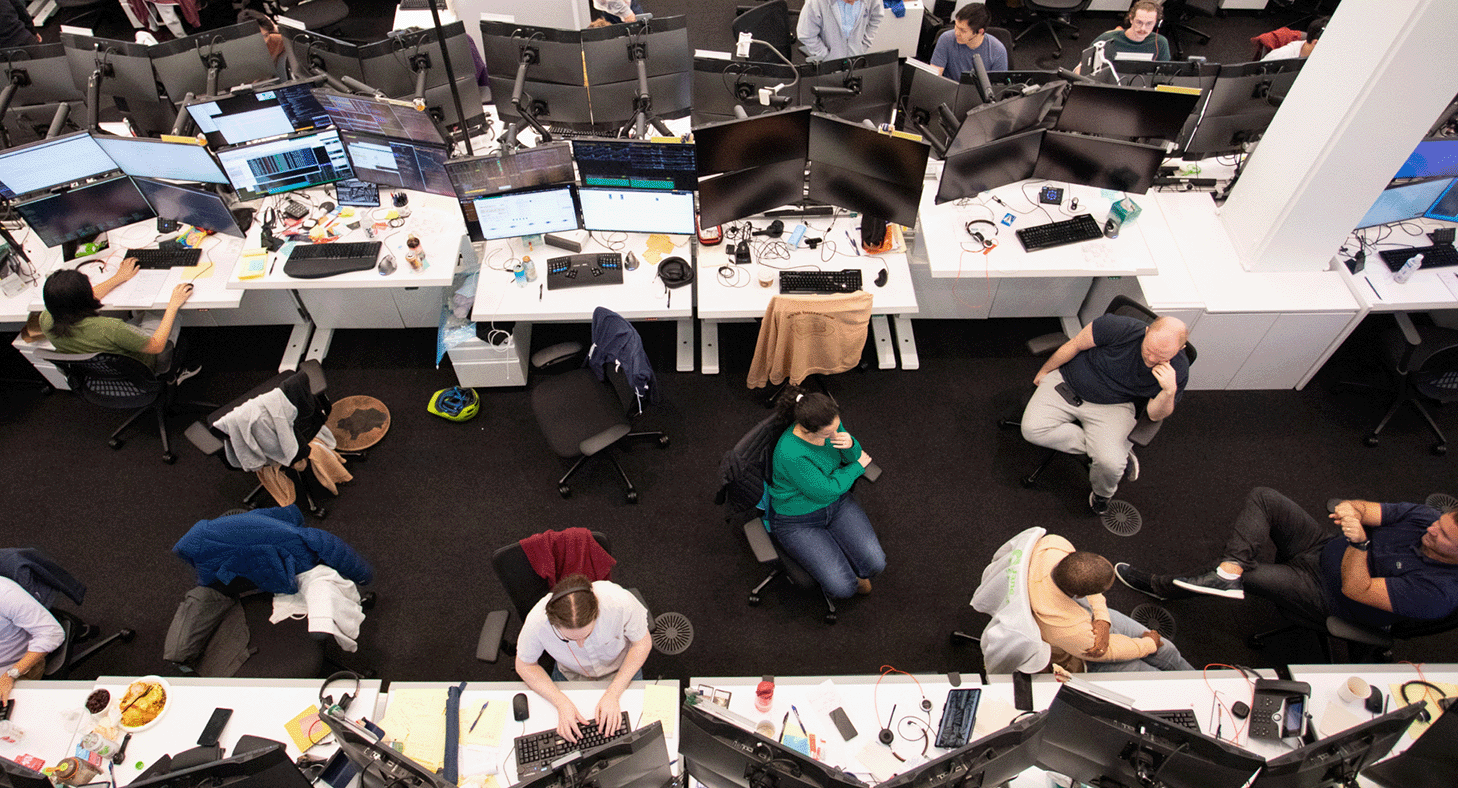
Picking a desk in Global Markets is one of the most consequential decisions you'll make early in your sales and trading career. Unlike investment banking, where analysts generally rotate through generalist pools before specializing, S&T divisions expect you to land on (or close to) a specific desk from day one. The product you trade, the clients you cover, and the skills you develop compound over the years, and switching desks later isn't impossible but it's rarely frictionless. Here's a practical framework for thinking through the decision, along with an honest look at the major desk categories.
Start With Self-Awareness, Not Prestige
Every incoming analyst asks the same question: "Which desk is the best?" It's the wrong question. The better question is: "Which desk is best for me?" Desks differ enormously in tempo, intellectual style, client interaction, comp trajectory, and lifestyle. A desk that's a dream for one person can be miserable for another.
Before you rank desks, rank yourself on four axes:
Quantitative appetite. Do you genuinely enjoy stochastic calculus, vol surfaces, and building pricing models, or do you prefer directional macro views and storytelling?
Client orientation. Do you want to spend your day on the phone building relationships (sales), or staring at a screen managing risk (trading)?
Time horizon. Are you energized by rapid-fire flow that turns over in seconds, or do you prefer structured trades that take weeks to unwind?
Risk tolerance. Can you sleep at night holding a $50mm overnight position, or does that idea make you queasy?
Your honest answers matter more than any league table.
The Major Desk Categories
Rates (Government Bonds, Swaps, Options)
Rates desks trade the plumbing of the financial system: Treasuries, Gilts, Bunds, interest rate swaps, swaptions, and inflation products. The flow is enormous, spreads are thin, and the desk is deeply macro-driven. Every Fed meeting, CPI print, and Treasury auction matters.
Good fit if: you love macro, you're comfortable with curves and convexity, and you want a desk with real institutional relevance.
Watch-outs: electronification has compressed margins in vanilla products; the most interesting seats sit in exotic rates or vol trading, and those are scarce.
Credit (IG, HY, Distressed, CDS)
Credit sits at the intersection of fundamental analysis and market-making. You're pricing issuer risk, not just rates. High yield and distressed desks in particular reward deep credit work, reading indentures, understanding capital structures, and knowing which bonds trade in which hands.
Good fit if: you have a banking-like analytical itch but want markets exposure, you like reading 10-Ks, and you want a desk where relationships with buy-side PMs still matter.
Watch-outs: cycles matter. Distressed desks thrive in dislocations and can be quiet for years in between.
FX (G10, EM, Options)
FX is the largest, fastest, and most global market on earth. Spot trading is increasingly algorithmic, but FX options and EM forwards remain sharp-elbowed, high-skill seats. Flow is round-the-clock, and the macro narrative changes by the hour.
Good fit if: you want global, macro-driven markets, you can think in relative value terms, and you can handle a punishing pace.
Watch-outs: G10 spot is almost fully electronic. Build skills where the seats will still exist in ten years: options, EM, structuring.
Equities (Cash, Derivatives, Prime, ETF)
Equities is a sprawling business. Cash equities is largely electronic and sales-heavy. Equity derivatives (flow options, structured products, exotics, QIS) is arguably the most quantitatively demanding area of any bank. Prime brokerage is a financing and service business with very different economics.
Good fit for derivs: engineering/math backgrounds, people who like pricing and risk management.
Good fit for cash/PB: strong communicators who thrive on relationships and service.
Watch-outs: cash equities has been structurally shrinking for 20 years. Equity derivatives and QIS are where the intellectual and P&L action is.
Commodities (Oil, Gas, Power, Metals, Ags)
Commodities desks are idiosyncratic. You're trading physical-linked products, often with niche end-users. Power and gas desks in particular reward understanding physical infrastructure, weather, and regulation. Comp in commodities can be spectacular in good years and thin in quiet ones.
Good fit if: you like specialized, physical markets and you don't mind betting your career on a narrower product.
Watch-outs: fewer banks are meaningfully in commodities; mobility between banks is more limited than in rates or credit.
Structured Products / Exotics
Exotic desks (equity-linked notes, structured credit, hybrid rates-FX) price and hedge products that don't trade on screens. The work is deeply quantitative and sits closer to the quant/strat function.
Good fit if: you want the most technical seat on the floor and you enjoy building and breaking models.
Watch-outs: narrow skillset, and regulation has trimmed balance sheet available for exotics since 2008.
Sales vs. Trading vs. Structuring
Within each desk, you'll usually choose a function. Simplifying heavily:
Sales owns the client relationship. You're paid to know what your accounts want before they do, and to distribute ideas, axes, and new issues. Comp tends to be steadier than trading and more relationship-driven.
Trading runs the book. You quote prices, manage inventory, and take risk. Comp has higher variance and is directly tied to P&L.
Structuring designs bespoke trades, bridging sales, trading, and quant. Great for hybrid thinkers who like both client work and modeling.
If you love people and ideas, lean sales. If you love markets and risk, lean trading. If you love problem-solving at the intersection, lean structuring.
Questions to Ask During Rotations
When you rotate, don't just watch the screens. Ask:
What does this desk's P&L look like in a bad year? How electronified is this product, and where will it be in five years? Who are the top traders here, and what's their background? If I left this desk in five years, where would I go? Is the head of desk hiring, or just letting attrition play out?
The last question is underrated. A desk that's shrinking won't give you the mentorship or seat progression you need.
A Final Word
The "best" desk is the one where you'll outwork everyone around you because you actually enjoy it. The person who finds rates boring will never beat the person who dreams in yield curves. Optimize for fit, for desks that are growing rather than shrinking, and for cultures that will invest in you when you're 22 and know nothing. Prestige is a lagging indicator. Skill, curiosity, and the right seat compound far faster than any league table.




Which Trading Desk Should I Choose in Global Markets/S&T?
Picking a desk in Global Markets is one of the most consequential decisions you'll make early in your sales and trading career. Unlike investment banking, where analysts generally rotate through generalist pools before specializing, S&T divisions expect you to land on (or close to) a specific desk from day one. The product you trade, the clients you cover, and the skills you develop compound over the years, and switching desks later isn't impossible but it's rarely frictionless. Here's a practical framework for thinking through the decision, along with an honest look at the major desk categories.
Start With Self-Awareness, Not Prestige
Every incoming analyst asks the same question: "Which desk is the best?" It's the wrong question. The better question is: "Which desk is best for me?" Desks differ enormously in tempo, intellectual style, client interaction, comp trajectory, and lifestyle. A desk that's a dream for one person can be miserable for another.
Before you rank desks, rank yourself on four axes:
Quantitative appetite. Do you genuinely enjoy stochastic calculus, vol surfaces, and building pricing models, or do you prefer directional macro views and storytelling?
Client orientation. Do you want to spend your day on the phone building relationships (sales), or staring at a screen managing risk (trading)?
Time horizon. Are you energized by rapid-fire flow that turns over in seconds, or do you prefer structured trades that take weeks to unwind?
Risk tolerance. Can you sleep at night holding a $50mm overnight position, or does that idea make you queasy?
Your honest answers matter more than any league table.
The Major Desk Categories
Rates (Government Bonds, Swaps, Options)
Rates desks trade the plumbing of the financial system: Treasuries, Gilts, Bunds, interest rate swaps, swaptions, and inflation products. The flow is enormous, spreads are thin, and the desk is deeply macro-driven. Every Fed meeting, CPI print, and Treasury auction matters.
Good fit if: you love macro, you're comfortable with curves and convexity, and you want a desk with real institutional relevance.
Watch-outs: electronification has compressed margins in vanilla products; the most interesting seats sit in exotic rates or vol trading, and those are scarce.
Credit (IG, HY, Distressed, CDS)
Credit sits at the intersection of fundamental analysis and market-making. You're pricing issuer risk, not just rates. High yield and distressed desks in particular reward deep credit work, reading indentures, understanding capital structures, and knowing which bonds trade in which hands.
Good fit if: you have a banking-like analytical itch but want markets exposure, you like reading 10-Ks, and you want a desk where relationships with buy-side PMs still matter.
Watch-outs: cycles matter. Distressed desks thrive in dislocations and can be quiet for years in between.
FX (G10, EM, Options)
FX is the largest, fastest, and most global market on earth. Spot trading is increasingly algorithmic, but FX options and EM forwards remain sharp-elbowed, high-skill seats. Flow is round-the-clock, and the macro narrative changes by the hour.
Good fit if: you want global, macro-driven markets, you can think in relative value terms, and you can handle a punishing pace.
Watch-outs: G10 spot is almost fully electronic. Build skills where the seats will still exist in ten years: options, EM, structuring.
Equities (Cash, Derivatives, Prime, ETF)
Equities is a sprawling business. Cash equities is largely electronic and sales-heavy. Equity derivatives (flow options, structured products, exotics, QIS) is arguably the most quantitatively demanding area of any bank. Prime brokerage is a financing and service business with very different economics.
Good fit for derivs: engineering/math backgrounds, people who like pricing and risk management.
Good fit for cash/PB: strong communicators who thrive on relationships and service.
Watch-outs: cash equities has been structurally shrinking for 20 years. Equity derivatives and QIS are where the intellectual and P&L action is.
Commodities (Oil, Gas, Power, Metals, Ags)
Commodities desks are idiosyncratic. You're trading physical-linked products, often with niche end-users. Power and gas desks in particular reward understanding physical infrastructure, weather, and regulation. Comp in commodities can be spectacular in good years and thin in quiet ones.
Good fit if: you like specialized, physical markets and you don't mind betting your career on a narrower product.
Watch-outs: fewer banks are meaningfully in commodities; mobility between banks is more limited than in rates or credit.
Structured Products / Exotics
Exotic desks (equity-linked notes, structured credit, hybrid rates-FX) price and hedge products that don't trade on screens. The work is deeply quantitative and sits closer to the quant/strat function.
Good fit if: you want the most technical seat on the floor and you enjoy building and breaking models.
Watch-outs: narrow skillset, and regulation has trimmed balance sheet available for exotics since 2008.
Sales vs. Trading vs. Structuring
Within each desk, you'll usually choose a function. Simplifying heavily:
Sales owns the client relationship. You're paid to know what your accounts want before they do, and to distribute ideas, axes, and new issues. Comp tends to be steadier than trading and more relationship-driven.
Trading runs the book. You quote prices, manage inventory, and take risk. Comp has higher variance and is directly tied to P&L.
Structuring designs bespoke trades, bridging sales, trading, and quant. Great for hybrid thinkers who like both client work and modeling.
If you love people and ideas, lean sales. If you love markets and risk, lean trading. If you love problem-solving at the intersection, lean structuring.
Questions to Ask During Rotations
When you rotate, don't just watch the screens. Ask:
What does this desk's P&L look like in a bad year? How electronified is this product, and where will it be in five years? Who are the top traders here, and what's their background? If I left this desk in five years, where would I go? Is the head of desk hiring, or just letting attrition play out?
The last question is underrated. A desk that's shrinking won't give you the mentorship or seat progression you need.
A Final Word
The "best" desk is the one where you'll outwork everyone around you because you actually enjoy it. The person who finds rates boring will never beat the person who dreams in yield curves. Optimize for fit, for desks that are growing rather than shrinking, and for cultures that will invest in you when you're 22 and know nothing. Prestige is a lagging indicator. Skill, curiosity, and the right seat compound far faster than any league table.