
Industry Group under Lens: Industrials
In the dynamic economic landscape of 2026, the Industrials sector emerges as a critical engine of growth, encompassing manufacturing, aerospace, defense, capital goods, and transportation. Valued at over $5 trillion globally, this sector drives infrastructure, innovation, and supply chains worldwide. Amid geopolitical tensions, tariffs, and technological shifts, Industrials face intense scrutiny from regulators, investors, and policymakers. Challenges like labor shortages and supply chain volatility persist, yet opportunities in AI integration, reshoring, and sustainability propel forward momentum. As of February 2026, the sector's outlook is cautiously optimistic, with renewed investments in automation and digital transformation expected to foster resilience. This article examines the Industrials sector under scrutiny, highlighting subsectors, key challenges, opportunities, and future prospects.
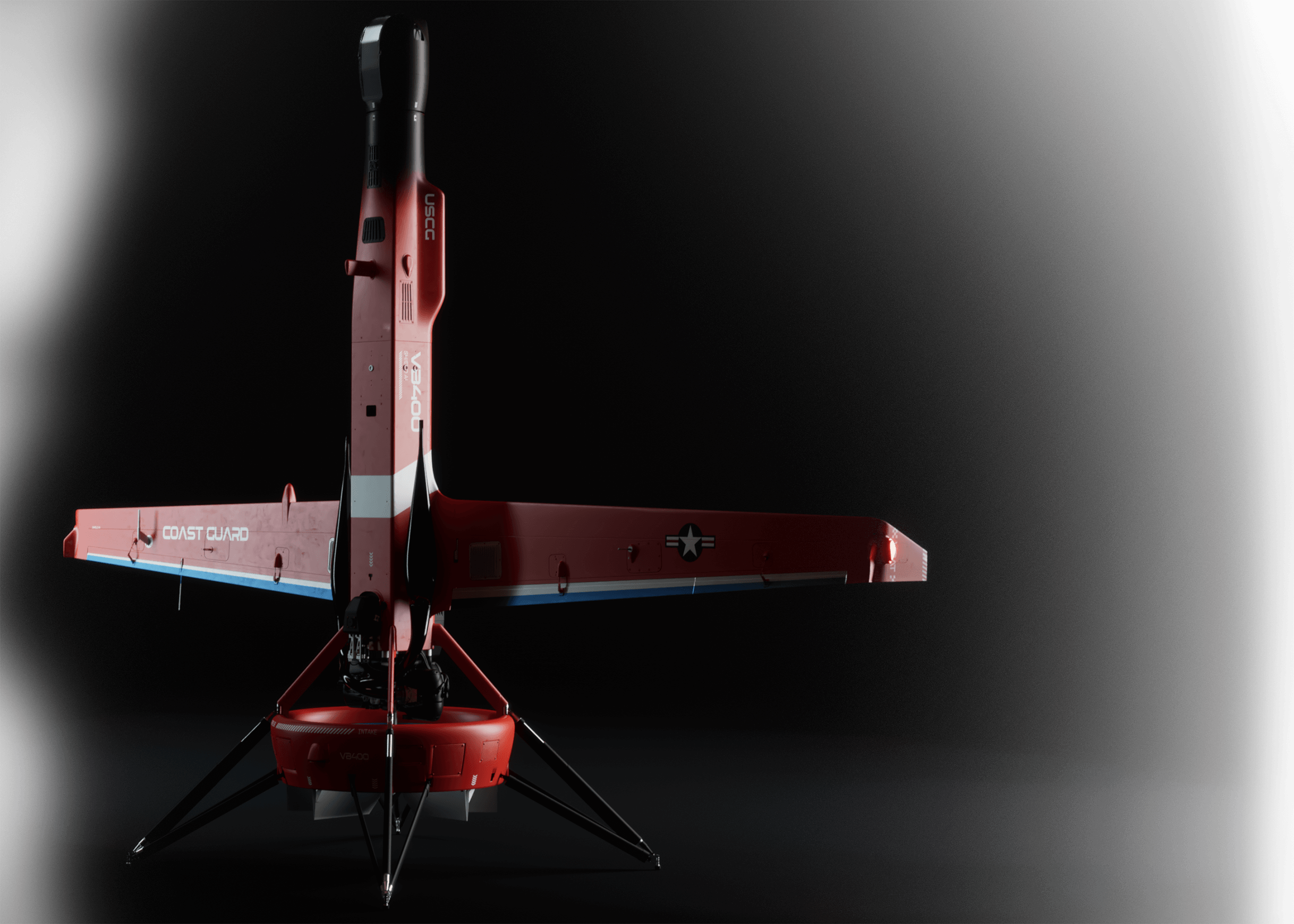
The Aerospace & Defense Subsector: Innovation Amid Geopolitical Pressures Aerospace and Defense (A&D) leads Industrials with robust growth, driven by rising defense budgets and technological advancements. In 2026, AI and agentic AI transform operations, from predictive maintenance to autonomous systems, while hypersonic weapons and eVTOL aircraft gain traction. The U.S. Department of Defense's FY2026 budget of $961.6 billion emphasizes R&D in AI, autonomy, and cybersecurity, marking a shift toward digital deterrence. Commercial aerospace rebounds with increased aircraft production rates, bolstered by strong demand and fleet expansions, though supply chain headwinds linger.
Scrutiny intensifies on ethical AI use and supply chain security, amid U.S.-China tensions. Regulatory frameworks like the EU's AI Act demand transparency in defense tech. Sustainability pushes for greener materials and emissions reductions, with OEMs adopting lighter alloys and digital twins for efficiency. Opportunities abound in space defense and advanced air mobility, with eVTOL strategies targeting 2027 demonstrations for urban transport. M&A accelerates, focusing on tech integration to counter oversupply and consolidate capabilities.
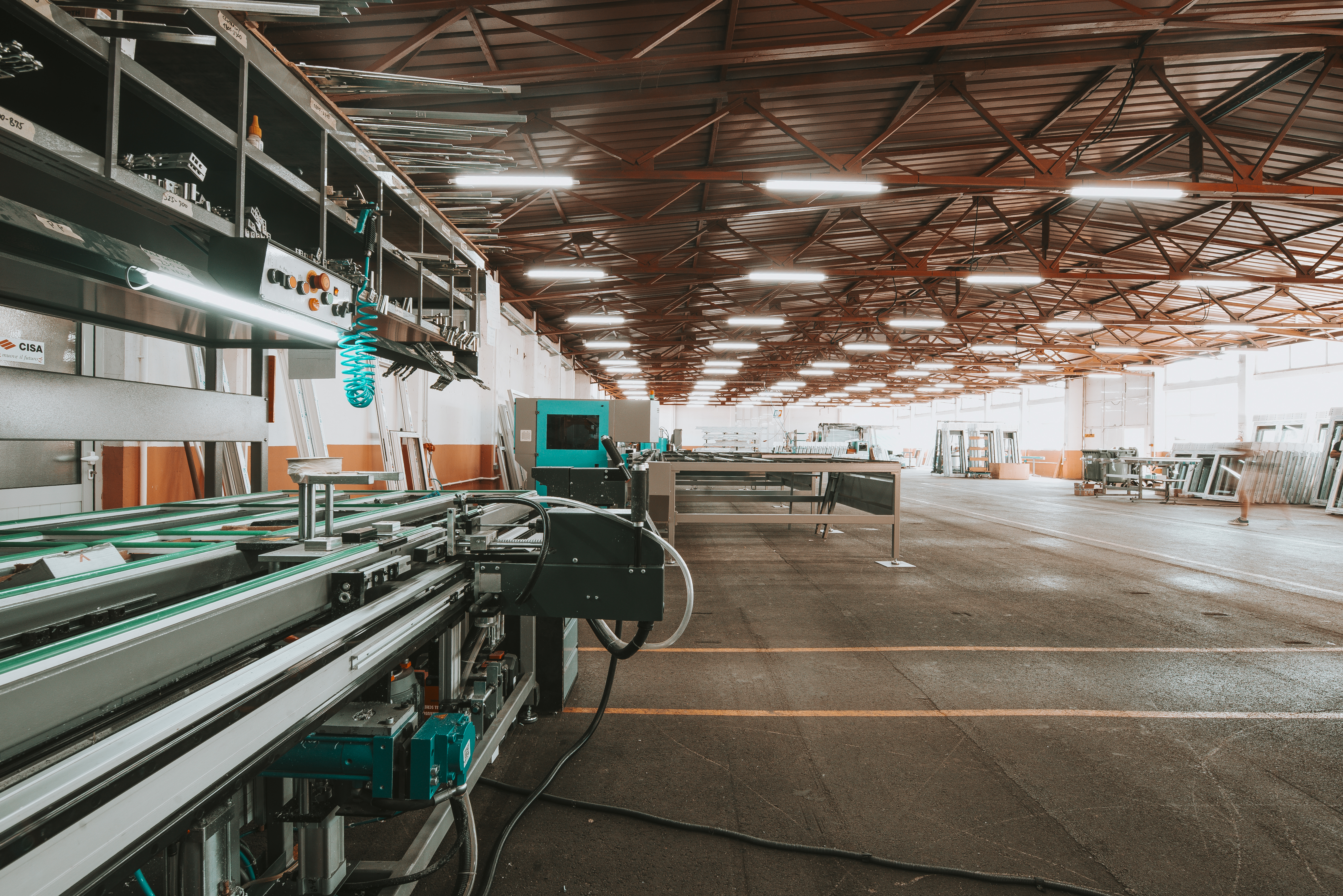
The Capital Goods & Machinery Subsector: Automation in the Spotlight Capital goods and machinery form the Industrials backbone, facing labor bottlenecks and tariff uncertainties in 2026. Automation and robotics address skilled worker shortages, shifting focus from entry-level to technician roles. AI-driven predictive maintenance and Industry 4.0 technologies enhance productivity, with investments in digital twins and additive manufacturing projected to grow amid reshoring trends. Earnings growth remains strong, supported by IT spending and electrification demands.
Under the lens, challenges include high capital costs and policy risks from tariffs, potentially raising input prices by 5.4%. Geographic labor mismatches in incentive-rich states exacerbate shortages, while deregulation in chemicals and industrials offers relief but raises environmental concerns. Opportunities lie in AI cost cuts and sustainable tech, with manufacturers leveraging incentives for agility and resilience. M&A targets automation platforms, as firms consolidate to navigate economic slowdowns.
The Transportation & Logistics Subsector: Resilience Through Digitalization Transportation and Logistics (T&L) adapts to volatility, with AI optimizing routes and enhancing visibility in 2026. Electrification and sustainability trends drive fleet upgrades, while resilient supply chains prioritize over lean models amid disruptions. Freight markets favor shippers with soft demand, but fragility looms from economic uncertainties.
Scrutiny focuses on emissions data and labor shortages, with automation combating driver deficits. Regulatory clarity on rail consolidation and tech-enabled 3PLs reshapes strategies. Opportunities emerge in specialized logistics like healthcare and reverse flows, tied to demographic shifts. M&A surges in digital platforms, fostering asset-light models for efficiency.
Cross-Sector Challenges and Opportunities Industrials grapple with tariffs, geopolitical friction, and labor constraints, prompting selective M&A for portfolio repositioning. AI governance and sustainability mandates add layers, yet foster innovation in green infrastructure and digital tools. Reshoring and nearshoring boost demand, with incentives driving investments in data centers and semiconductors. Economic stimulus and falling rates support capex, broadening recovery signals.
Future Outlook: Agility and Growth in Uncertain Times Industrials in 2026 pivot toward reinvention, with M&A accelerating in AI, electrification, and resilient assets. The sector's convergence with tech could eclipse others, provided firms navigate risks like oversupply and policy flux. Success depends on agility, ethics, and strategic investments, positioning Industrials as a cornerstone of sustainable global progress.

Industry Group under Lens: Industrials
In the dynamic economic landscape of 2026, the Industrials sector emerges as a critical engine of growth, encompassing manufacturing, aerospace, defense, capital goods, and transportation. Valued at over $5 trillion globally, this sector drives infrastructure, innovation, and supply chains worldwide. Amid geopolitical tensions, tariffs, and technological shifts, Industrials face intense scrutiny from regulators, investors, and policymakers. Challenges like labor shortages and supply chain volatility persist, yet opportunities in AI integration, reshoring, and sustainability propel forward momentum. As of February 2026, the sector's outlook is cautiously optimistic, with renewed investments in automation and digital transformation expected to foster resilience. This article examines the Industrials sector under scrutiny, highlighting subsectors, key challenges, opportunities, and future prospects.
The Aerospace & Defense Subsector: Innovation Amid Geopolitical Pressures Aerospace and Defense (A&D) leads Industrials with robust growth, driven by rising defense budgets and technological advancements. In 2026, AI and agentic AI transform operations, from predictive maintenance to autonomous systems, while hypersonic weapons and eVTOL aircraft gain traction. The U.S. Department of Defense's FY2026 budget of $961.6 billion emphasizes R&D in AI, autonomy, and cybersecurity, marking a shift toward digital deterrence. Commercial aerospace rebounds with increased aircraft production rates, bolstered by strong demand and fleet expansions, though supply chain headwinds linger.
Scrutiny intensifies on ethical AI use and supply chain security, amid U.S.-China tensions. Regulatory frameworks like the EU's AI Act demand transparency in defense tech. Sustainability pushes for greener materials and emissions reductions, with OEMs adopting lighter alloys and digital twins for efficiency. Opportunities abound in space defense and advanced air mobility, with eVTOL strategies targeting 2027 demonstrations for urban transport. M&A accelerates, focusing on tech integration to counter oversupply and consolidate capabilities.
The Capital Goods & Machinery Subsector: Automation in the Spotlight Capital goods and machinery form the Industrials backbone, facing labor bottlenecks and tariff uncertainties in 2026. Automation and robotics address skilled worker shortages, shifting focus from entry-level to technician roles. AI-driven predictive maintenance and Industry 4.0 technologies enhance productivity, with investments in digital twins and additive manufacturing projected to grow amid reshoring trends. Earnings growth remains strong, supported by IT spending and electrification demands.
Under the lens, challenges include high capital costs and policy risks from tariffs, potentially raising input prices by 5.4%. Geographic labor mismatches in incentive-rich states exacerbate shortages, while deregulation in chemicals and industrials offers relief but raises environmental concerns. Opportunities lie in AI cost cuts and sustainable tech, with manufacturers leveraging incentives for agility and resilience. M&A targets automation platforms, as firms consolidate to navigate economic slowdowns.
The Transportation & Logistics Subsector: Resilience Through Digitalization Transportation and Logistics (T&L) adapts to volatility, with AI optimizing routes and enhancing visibility in 2026. Electrification and sustainability trends drive fleet upgrades, while resilient supply chains prioritize over lean models amid disruptions. Freight markets favor shippers with soft demand, but fragility looms from economic uncertainties.
Scrutiny focuses on emissions data and labor shortages, with automation combating driver deficits. Regulatory clarity on rail consolidation and tech-enabled 3PLs reshapes strategies. Opportunities emerge in specialized logistics like healthcare and reverse flows, tied to demographic shifts. M&A surges in digital platforms, fostering asset-light models for efficiency.
Cross-Sector Challenges and Opportunities Industrials grapple with tariffs, geopolitical friction, and labor constraints, prompting selective M&A for portfolio repositioning. AI governance and sustainability mandates add layers, yet foster innovation in green infrastructure and digital tools. Reshoring and nearshoring boost demand, with incentives driving investments in data centers and semiconductors. Economic stimulus and falling rates support capex, broadening recovery signals.
Future Outlook: Agility and Growth in Uncertain Times Industrials in 2026 pivot toward reinvention, with M&A accelerating in AI, electrification, and resilient assets. The sector's convergence with tech could eclipse others, provided firms navigate risks like oversupply and policy flux. Success depends on agility, ethics, and strategic investments, positioning Industrials as a cornerstone of sustainable global progress.